Craig Barton interviews guests from the wonderful world of education about their approaches to teaching, educational research and more. All show notes, resources and videos here: https://www.mrbartonmaths.com/blog/
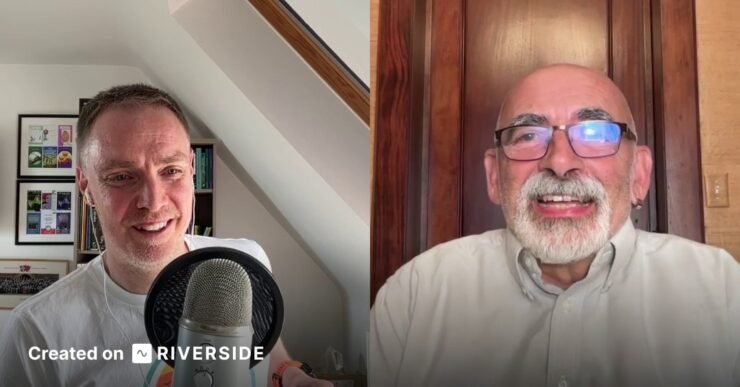
In this AI in Education episode, Craig Barton welcomes back Dylan Wiliam to discuss what generative and extractive AI mean for assessment, teaching and the purpose of schooling. Wiliam argues the evidence base is thin, urges caution about education's long feedback loops, and distinguishes cognitive offloading from cognitive outsourcing. Access the show notes here: podcast.mrbartonmaths.com/225-ai-in-education-with-dylan-wiliam


Episode sponsors
The National Institute of Teaching’s NPQs are open for applications! NPQs are a great way to develop your skills and knowledge, build a powerful peer network and have an even bigger impact in school. There are 10 to choose from, all designed to fit in with busy workloads. There is now only one cohort per year, so apply now or wait until 2027/28. Scholarship funding is available, but it’s limited, so we recommend getting your application in before the summer break. To find out more, go to niot.org.uk/npqs
Episode details
In this AI in Education episode, Craig Barton welcomes back Dylan Wiliam to discuss what generative and extractive AI mean for assessment, teaching and the purpose of schooling. Wiliam argues the evidence base is thin, urges caution about education’s long feedback loops, and distinguishes cognitive offloading from cognitive outsourcing.
Talking points
- Dylan’s 50 years in education and why he won’t retire — every workshop fee now funds a water well in Malawi through Water Wells for Africa
- From sceptic to “this time is different”: the lengthening list of things AI was supposed to be unable to do but now does
- His everyday AI use, and the distinction between cognitive offloading (AI extends your thinking) and cognitive outsourcing (AI does the thinking for you)
- Why he favours extractive AI (NotebookLM, LearnLM) over generative AI, and prefers decision-driven data collection to data-driven decision-making
- The thin evidence base: research follows funding and publication incentives, skews towards higher education, and education’s feedback loops are long — Reading Recovery looked promising early but faded later
- Hallucinated references, the Gell-Mann amnesia effect, and why he still won’t let AI do his writing or research
- Scepticism about Alpha School’s data claims — found data versus data designed for a purpose, plus the reliability and clustering problems with diagnostic subscores
- Where AI could help formative assessment: spotting misconceptions, suggesting follow-up questions, and organising pupil groupings — proactively, in the moment, and retrospectively
- The tension between capturing richer classroom data (Plickers, Eedi’s DQR, even cameras) and keeping classrooms safe places to be wrong
- AI as a teacher-controlled coach (Aristotal) rather than top-down surveillance — and the closing question of what education is for, via Baumol’s cost disease and his ten-year prediction for English schools
Video:
Links from Dylan:
- Water Wells for Africa — Dylan’s chosen charity; he asked listeners to support it
- Dylan Wiliam’s website
- Dylan Wiliam’s YouTube channel
- Dylan Wiliam on X/Twitter
- Making Room for Impact — Arran Hamilton, John Hattie & Dylan Wiliam
- Aristotal — the AI teacher-coaching tool Dylan is working with
- Plickers — the no-device classroom response system
- DQR – our Eedi classroom assessment tool
- NotebookLM — Google’s extractive AI tool
- Ethan Mollick — Wharton professor on practical AI use
New stuff I have been working on:
- My Tips for Teachers Guides to… series
- My updated mrbartonmnaths website
My usual plugs
- You can help support the podcast (and get an interactive transcript of this episode) via my Patreon page at patreon.com/mrbartonmaths
- If you are interested in sponsoring an episode of the show, then please visit this page
- You can sign up for my free Tips for Teachers newsletter and my free Eedi newsletter
- My online courses are here: craigbarton.podia.com
- My books are “Tips for Teachers“, “Reflect, Expect, Check, Explain”, “How I wish I’d taught maths”, and my Tips for Teachers Guide to… series.